


ALBAWABA- Israeli Prime Minister Benjamin Netanyahu concluded a high-stakes visit to Washington on Wednesday, after a three-hour meeting with US President Donald Trump at the White House, their seventh encounter since Trump’s second-term inauguration in January 2025.
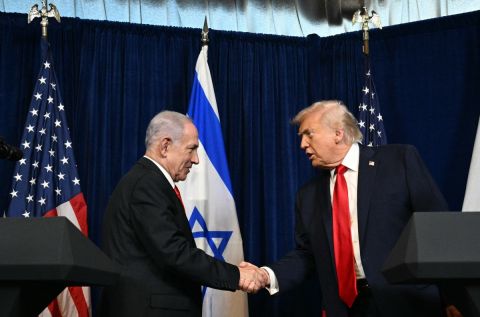
The talks focused on US-Iran nuclear negotiations, regional security, and the Gaza conflict, as tensions persist following the 2025 Israel-Iran clashes and US strikes on Iranian facilities.
Netanyahu described the meeting as “short but important,” expressing skepticism over any potential deal with Tehran. He stressed that an agreement must address not only nuclear limits but also Iran’s ballistic missile program and support for proxy groups, including Hezbollah and the Houthis.
Netanyahu emphasized that any accord must align with Israel’s security priorities and ensure broader regional stability.
Trump, posting on Truth Social after the meeting, said “nothing definitive” was decided, but reiterated a preference for continued diplomacy.

“Negotiations with Iran will continue to see whether or not a deal can be consummated,” he wrote, noting that a negotiated settlement would be preferable, though military options remain on the table. The US president has recently reinforced Gulf deployments, including additional carrier groups, as leverage.
The White House discussions coincide with resumed indirect US-Iran talks in Oman, which began on Friday, February 6, focusing on curbing Tehran’s nuclear program in exchange for sanctions relief. While Iran has shown a willingness to limit nuclear activities, it maintains firm positions on missile development.
Netanyahu’s visit aimed to influence the negotiations, reflecting Israeli concerns that a narrow deal could embolden Tehran’s regional actions. With a second round of talks expected next week, the outcome could significantly impact Middle East stability or risk renewed confrontation.