


ALBAWABA- The United Arab Emirates said Tuesday, August that its air defense systems detected two ballistic missiles launched from Iran toward the country, as tensions intensified across the Gulf following the collapse of a 60-day US-Iran negotiating framework.
The UAE Ministry of Defense said the first missile fell outside the country’s territorial waters, while the second fell inside them. The ministry did not report casualties or damage and said the UAE Armed Forces remained on a high state of alert and fully prepared to respond to any threats.
The missile alert marked the first such incident involving missiles directed toward the UAE in several months, according to Reuters. The UAE had previously issued a false alarm in June and another alert in July over an attack that ultimately did not enter UAE territory.
The development came shortly after UAE President Sheikh Mohammed bin Zayed Al Nahyan received a phone call from US President Donald Trump. According to UAE officials, the two leaders discussed UAE-US cooperation, ways to strengthen bilateral relations and developments in the Middle East. The conversation took place amid a broader diplomatic deadlock between Washington and Tehran and mounting tensions surrounding the Strait of Hormuz.
The latest escalation follows the expiration on August 17 of a 60-day memorandum of understanding intended to provide a framework for negotiations between the United States and Iran.
Trump said Monday that Washington was not seeking to extend the arrangement, arguing that Tehran had not accepted the terms he considers necessary to end the conflict. At the same time, a senior Iranian official told Reuters that Tehran was preparing to shift from a primarily defensive posture to a “fully offensive” one if diplomatic efforts failed.
The deterioration in US-Iran relations has also raised concerns over the security of the Strait of Hormuz, a critical maritime chokepoint for global energy supplies. Iran has maintained that the waterway cannot return to normal operations without changes to the US position, while Washington has continued to press for unrestricted commercial navigation. On Tuesday, Trump said there were no scheduled talks with Tehran, while Iran maintained that the strait remained effectively closed under the existing conditions.
Iranian parliamentary speaker Mohammad Bagher Ghalibaf also stepped up his criticism of the US administration. In a social media post, he accused Washington of believing that greater pressure on Iran would force Tehran to make concessions that were never included in the agreement.
He specifically criticized US Treasury Secretary Scott Bessent and Defense Secretary Pete Hegseth, saying they were “way out of their league,” and argued that Washington should stop waiting for its officials to produce an unexpected diplomatic solution to what he described as a crisis created by the United States.
The UAE missile alert adds another layer of risk to an already volatile regional environment. The country hosts major commercial and energy infrastructure and lies close to the Strait of Hormuz, making it particularly exposed to any expansion of the US-Iran confrontation. The UAE has sought to avoid being drawn directly into the conflict while maintaining close security ties with Washington and emphasizing the protection of its territory and maritime interests.
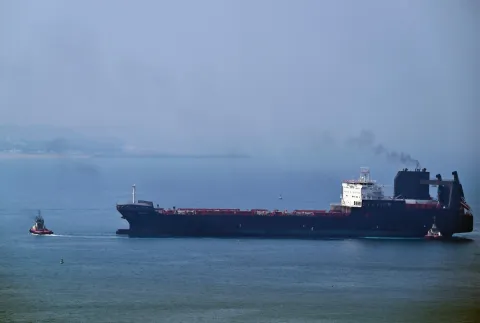
The latest incident also follows a series of maritime confrontations involving Iran and Gulf shipping, including Iran’s reported detention of a UAE-linked tanker near Qeshm Island. Tehran has said it is prepared to enforce its rules over vessels operating in waters under its control, while Gulf states and their international partners have repeatedly emphasized freedom of navigation.
With the interim US-Iran framework expired, Washington ruling out an extension and Tehran signaling a more offensive military posture, Tuesday’s missile alert underscores the growing possibility that the conflict could spill further into the Gulf. For the UAE and other regional states, the immediate concern is whether the escalation remains limited to military signaling or develops into sustained attacks against territory, shipping and critical energy infrastructure.


