

ALBAWABA- Turkish President Recep Tayyip Erdogan began a two-stop diplomatic tour on Tuesday, arriving in Saudi Arabia for talks with Crown Prince Mohammed bin Salman before heading to Egypt a day later, as Ankara moves to deepen regional coordination amid mounting Middle East tensions.
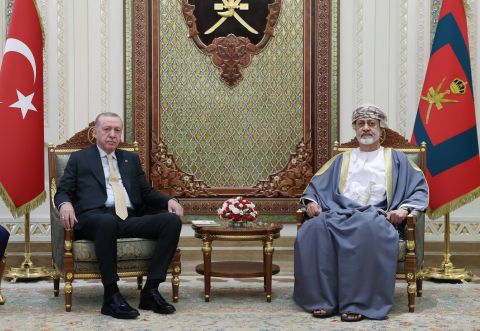
In Riyadh, Erdogan is expected to discuss ways to strengthen bilateral cooperation with Saudi Arabia and exchange views on regional developments, Turkish officials said.
On Wednesday, he is scheduled to visit Cairo to co-chair the second Türkiye–Egypt High-Level Strategic Cooperation Council with President Abdel Fattah el-Sisi, with discussions focusing on Palestine and broader regional security and political issues.
The visits highlight a continued thaw in Turkey’s relations with both Saudi Arabia and Egypt after years of strain linked to disagreements over the Muslim Brotherhood and competing regional ambitions.
The tour comes against the backdrop of strained relations between Saudi Arabia and the United Arab Emirates, with Riyadh increasingly critical of Abu Dhabi’s support for non-state and separatist actors across the region.
Saudi officials have voiced concerns over UAE backing for Yemen’s Southern Transitional Council, Sudan’s Rapid Support Forces, and Somaliland, viewing such policies as destabilizing and at odds with Saudi security and economic priorities, including Vision 2030.
Saudi Arabia, Egypt, and Turkey have shown growing convergence in opposing UAE-backed militias and political projects. In Sudan, the three countries support the Sudanese Armed Forces against the Rapid Support Forces, while in Libya they have sought to curb arms flows to eastern commander Khalifa Haftar and strengthen ties with the Tripoli-based authorities.
In Somalia, Ankara, Cairo, and Riyadh back the federal government, which has recently moved to distance itself from UAE security arrangements while exploring broader Red Sea cooperation frameworks.
Regional diplomacy on Gaza is also expected to feature in discussions. The leaders are expected to address the second phase of the ceasefire framework launched on January 14, 2026, which envisions demilitarization, interim technocratic administration through a National Committee for the Administration of Gaza, and reconstruction overseen by an international Board of Peace.
Turkey, Saudi Arabia, and Egypt have also emerged as key regional actors working to de-escalate rising tensions between Iran and the United States and Israel, amid sharp rhetoric and military posturing.
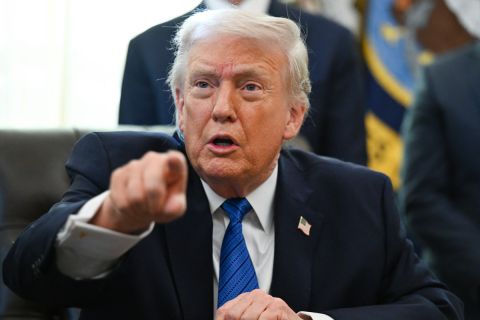
Erdogan has positioned himself as a potential mediator, offering Ankara as a venue for direct or indirect talks between Tehran and Washington as U.S. President Donald Trump renews threats over Iran’s nuclear program.
Saudi Arabia, while maintaining strategic ties with the United States, has signaled opposition to any military escalation and has conveyed assurances that its territory would not be used for attacks on Iran, emphasizing diplomacy to avoid regional spillover.
Egypt has reinforced these efforts through quiet diplomacy and coordination with regional partners, warning that further confrontation would destabilize the Middle East and undermine security in the Red Sea and Eastern Mediterranean.
Erdogan’s tour reflects Ankara’s effort to consolidate a Saudi–Turkish–Egyptian alignment at a time of shifting power balances in the Middle East, aimed at managing conflicts, countering rival influence, and projecting greater regional cohesion.