

ALBAWABA- Masoud Pezeshkian reaffirmed Iran’s commitment to regional peace during discussions with the leaders of Russia and Pakistan, while insisting that any end to the ongoing war with the United States and Israel must include recognition of Tehran’s nuclear rights, reparations for damages, and guarantees against future attacks.
In a post on X, Pezeshkian said the conflict, triggered by what he described as aggression by Israel and the United States, cannot end without accountability and international assurances preventing further strikes on Iranian territory. His remarks come as diplomatic efforts intensify, with several countries seeking to mediate and prevent wider regional escalation.
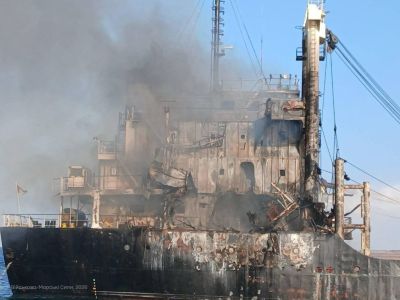
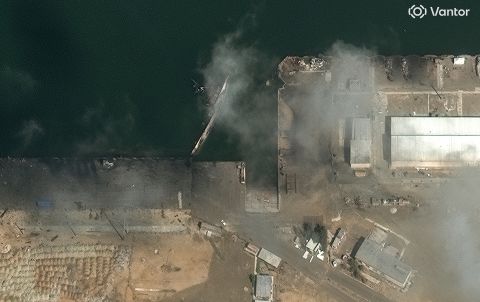
The war began in late February 2026 when the United States and Israel launched an assault targeting Iran’s military infrastructure and leadership, including the assassination of former Supreme Leader Ali Khamenei. Since then, Iran has responded with waves of missiles and drones aimed at Israeli territory, U.S. bases, and facilities in allied Gulf states.
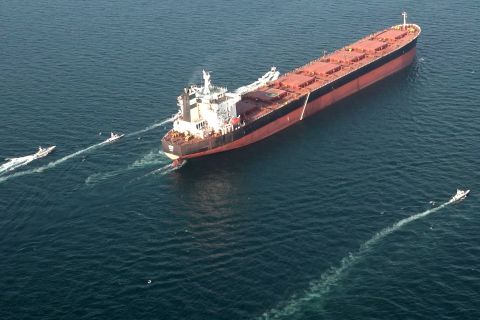
Tehran has also effectively disrupted commercial navigation through the strategic Strait of Hormuz, a chokepoint that carries roughly one-fifth of global oil and liquefied natural gas supplies. The disruption has caused major shipping delays and heightened fears of a prolonged energy crisis.
Global markets have reacted sharply, with Brent crude rising above $110 per barrel amid concerns about supply disruptions. Several countries have released oil from strategic reserves to stabilize markets, though analysts warn prices could rise further if the waterway remains restricted.
Meanwhile, U.S. President Donald Trump said the military campaign against Iran is nearing completion, claiming U.S. forces have already struck most viable targets. In Israel, opposition leader Yair Lapid warned against premature declarations of victory by Prime Minister Benjamin Netanyahu, cautioning that the conflict remains unpredictable.