


ALBAWABA- Bahrain’s House of Representatives voted unanimously on Thursday to expel three lawmakers, escalating a political and security dispute linked to regional tensions with Iran.
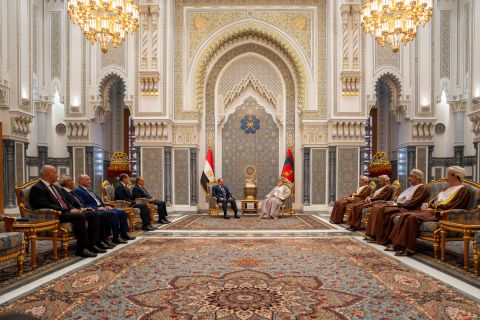
The MPs, First Deputy Chairman Abdulnabi Salman, Services Committee Chairman Mamdouh Al-Saleh, and MP Mahdi Al-Shuwaikh, were stripped of their parliamentary memberships following a petition signed by 37 lawmakers and endorsed by the Legislative and Legal Affairs Committee.
The decision came after the three legislators criticised government measures targeting individuals accused of supporting Iranian-linked activities, including the revocation of Bahraini citizenships. Their remarks during an April 28 parliamentary session on amendments to the Judicial Authority Law were deemed by authorities to constitute endorsement of aggression against the state and a breach of their constitutional oath.
The expulsions follow a broader government action in late April, when Bahrain’s Interior Ministry revoked the citizenship of 69 individuals, including dependents, over alleged “sympathy or support for hostile Iranian acts” and coordination with foreign entities. Officials said the measures were taken in response to escalating regional tensions and security threats linked to Iran’s retaliation against US and Israeli interests in the Gulf.
Bahrain, which hosts the US Navy’s Fifth Fleet, has previously faced missile and drone attacks attributed to Iranian-backed actors amid wider regional conflict dynamics involving the United States and Israel.
The government has framed both citizenship revocations and parliamentary expulsions as necessary steps to protect national security and sovereignty. However, the decisions have drawn criticism from rights groups, which warn that such measures risk collective punishment and further political marginalisation, particularly of the country’s Shiite majority population.
Tensions in Bahrain continue to reflect broader regional fault lines, where domestic political sensitivities intersect with the escalating US-Iran confrontation. Authorities, however, maintain a strict stance, stating that any form of support for external aggression constitutes a violation of national loyalty and will be met with legal consequences.


