

ALBAWABA- The United States and Iran are reportedly close to finalizing a preliminary memorandum of understanding aimed at ending months of conflict in West Asia, as sharp disagreements emerge between U.S. President Donald Trump and Israeli Prime Minister Benjamin Netanyahu over the proposed deal.
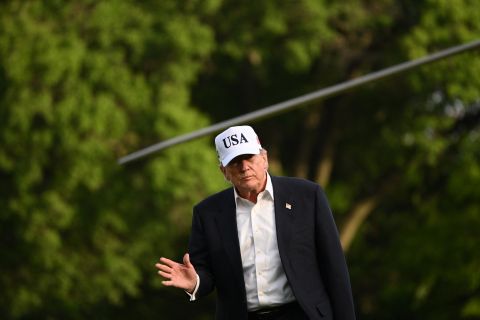
According to U.S. officials and diplomatic sources familiar with the negotiations, both sides have reached a tentative understanding on the principles of a broader settlement framework, with an official announcement potentially expected within hours.
The proposed agreement, reportedly drafted by White House envoys Steve Witkoff and Jared Kushner alongside regional mediators, outlines a 14-point roadmap intended to halt hostilities that began following joint U.S.-Israeli military strikes on February 28.
Under the framework, the two sides would formally declare an end to the war and enter a 30-day negotiation period focused primarily on Iran’s nuclear program and maritime security in the Gulf region. The draft also reportedly includes provisions for the gradual de-escalation of military operations in the Strait of Hormuz, a vital global shipping corridor disrupted by months of conflict.
As part of the negotiations, Washington is said to be seeking a 12- to 15-year suspension of Iranian uranium enrichment activities. In return, the U.S. could gradually release frozen Iranian financial assets and ease portions of the sanctions regime imposed on Tehran. Despite the diplomatic progress, major disagreements remain unresolved, particularly regarding the future scope of Iran’s nuclear capabilities and the pace of sanctions relief.
The proposed framework has reportedly intensified tensions between Washington and Tel Aviv. According to reports citing U.S. and Israeli sources, Trump informed Netanyahu of the emerging deal during a tense phone call on Tuesday.
Israeli officials reportedly said Netanyahu reacted angrily to elements of the proposal, especially any arrangement that could allow Iran to maintain limited civilian uranium enrichment or receive sanctions relief before a comprehensive agreement is finalized.
The dispute reflects growing divisions between the Trump administration’s push for a rapid diplomatic settlement and Israel’s longstanding demand for the complete dismantling of Iran’s strategic nuclear infrastructure.
Meanwhile, Pakistan has emerged as a key intermediary in the final phase of negotiations. Pakistani Interior Minister Mohsin Naqvi arrived in Tehran for high-level consultations with Iranian President Masoud Pezeshkian and Foreign Minister Abbas Araghchi in an effort to resolve remaining disputes.
Naqvi emphasized the importance of continued dialogue to preserve regional stability, while Iranian officials signaled cautious openness to the framework but maintained firm positions on national sovereignty and nuclear rights.
The diplomatic push comes amid warnings from Trump that the U.S. military remains prepared to resume large-scale strikes if negotiations collapse. Iranian military leaders have also warned that any renewed conflict would trigger a broader and more severe response against coalition forces.


