


ALBAWABA- Syrian government forces have imposed a total curfew in al-Shaddadi and the surrounding areas of Hasakah province, pledging to hunt down and recapture ISIS militants who allegedly escaped detention facilities amid the rapid collapse of the Kurdish-led Syrian Democratic Forces (SDF) in northeast Syria.
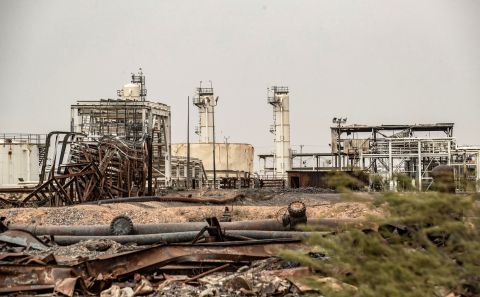
The move follows accusations by Damascus that the SDF deliberately released ISIS detainees from al-Shaddadi prison as government troops advanced into the area, raising fears of an ISIS resurgence.
Similar reports surfaced from al-Aqtan prison in Raqqa and detention sites near Deir ez-Zor, where unverified footage appeared to show Syrian forces interacting with or releasing prisoners.
The SDF rejected claims of intentional releases, saying detention centers fell out of their control after repeated attacks by Damascus-aligned factions, which reportedly killed dozens of SDF fighters.
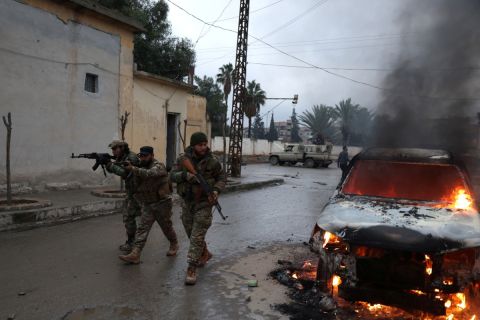
Despite a declared ceasefire, clashes continued around former SDF-run facilities. The SDF warned of “extremely dangerous” security consequences and appealed to the U.S.-led coalition to intervene to prevent ISIS cells from regrouping.
The security breakdown follows a Sunday agreement signed in Damascus between President Ahmed al-Sharaa and SDF commander Mazloum Abdi, formalizing the dissolution of the SDF and its absorption into state institutions.
Under the 14-point deal, the SDF is required to immediately hand over Raqqa and Deir ez-Zor provinces, including oil fields, border crossings, and ISIS detention facilities holding thousands of militants and their families.
SDF fighters are to be integrated individually into the ministries of defense and interior after vetting, effectively ending the force as a unified structure. Hasakah is set for a phased transition, while Kobani will retain limited local security arrangements.
The SDF’s collapse accelerated after clashes erupted in Aleppo on January 5, quickly spreading eastward as Arab tribal uprisings turned against SDF rule, citing abuses and marginalization.
Government forces advanced more than 150 kilometers along the Euphrates, seizing strategic dams, oil-rich territory, and towns including Tabqa and Maskanah, pushing remaining SDF units back toward Kurdish-majority areas of Hasakah.
The reversal marks the end of nearly a decade of SDF dominance over roughly a quarter of Syria following the defeat of ISIS in 2019, after earlier integration efforts, most notably a March 2025 accord, failed to hold.
U.S. officials have urged restraint, warning that the turmoil could undermine counter-ISIS operations, while Saudi Arabia welcomed the agreement as a step toward restoring Syrian state authority.
These events unfold against the backdrop of Syria’s profound political transformation following the collapse of the Assad regime in December 2024. Since assuming leadership, Ahmed al-Sharaa has moved swiftly to reassert central authority, dismantle parallel armed structures, and renegotiate Syria’s internal balance of power through deals with former rivals, tribal leaders, and regional states.
As Syria enters its second year after Assad, the outcome of the SDF dismantling and the handling of ISIS detainees may prove a defining test of al-Sharaa’s bid to stabilize a fractured country.


