

ALBAWABA- The Rafah border crossing between Gaza and Egypt reopened on Monday on a limited basis after being largely shut for nearly two years, marking a cautious step in the implementation of a U.S.-brokered ceasefire between Israel and Hamas.
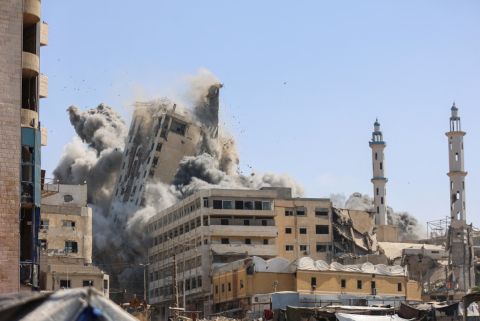
The Palestinian side of the crossing resumed operations under a mechanism originally agreed in 2005, with supervision of the European Union Border Assistance Mission (EUBAM) and Israeli oversight of passenger lists.
Movement through the crossing is tightly controlled and reciprocal, with the number of Palestinians approved to leave Gaza matched by an equal number permitted to enter. Initial reports indicated that between 50 and 150 people were allowed to exit Gaza, mainly for urgent medical treatment, while around 50 were permitted to enter.
Israeli media reported that Israel will continue to approve exit lists in advance and maintain remote monitoring capabilities, including technological surveillance and facial recognition, despite having no physical presence at the crossing.
Passengers entering Gaza are reportedly transported by bus to an Israeli-controlled checkpoint, where they undergo security screening before proceeding.
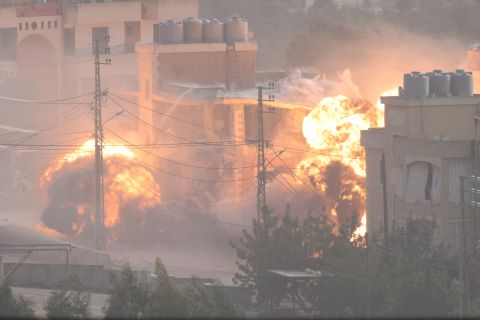
Egyptian media cited ongoing disagreements between Cairo and Tel Aviv over the crossing’s operation, with Egyptian officials reiterating concerns about any potential attempt to displace Palestinians on a large scale into Egypt.
At this stage, no humanitarian aid or commercial goods are being allowed through Rafah, with operations limited strictly to the movement of individuals.
The reopening nonetheless fulfills a key condition of the first phase of the ceasefire agreement and is intended to facilitate medical evacuations and limited civilian movement following months of negotiations over security arrangements.