

ALBAWABA- Oman’s Sultan Haitham bin Tariq met with UAE President Sheikh Mohammed bin Zayed Al Nahyan in Abu Dhabi on Monday, during a fraternal visit that came as tensions intensified across the Gulf and around the strategically vital Strait of Hormuz.
The two leaders discussed the longstanding relations between Oman and the United Arab Emirates and ways to expand cooperation and joint action, particularly in the economic and development sectors. They emphasized the importance of advancing shared priorities and interests in ways that support growth, prosperity and the well-being of both countries’ peoples.
The meeting also focused on regional and international developments, with the leaders exchanging views on the increasingly dangerous situation in the Middle East and efforts to strengthen security, stability and peace across the region. They affirmed their commitment to continued consultation and closer coordination on issues affecting regional stability.
The timing of the meeting gave the talks added significance. The discussions took place as the 60-day US-Iran negotiating framework expired without an extension, while Washington and Tehran remained at odds over the terms of a permanent settlement.
US President Donald Trump said Monday that he was not seeking to extend the interim understanding with Iran and warned that Tehran had not accepted the conditions Washington considers necessary to end the conflict.
Trump also sharply escalated his rhetoric toward Oman, warning that the United States could strike the country if it interfered with Washington’s efforts concerning Iran and the Strait of Hormuz. The threat was particularly significant given Oman’s traditional role as a diplomatic intermediary and its involvement in efforts to facilitate dialogue between the United States and Iran.
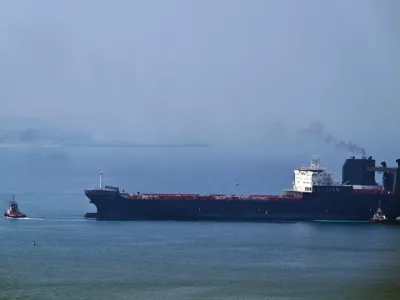
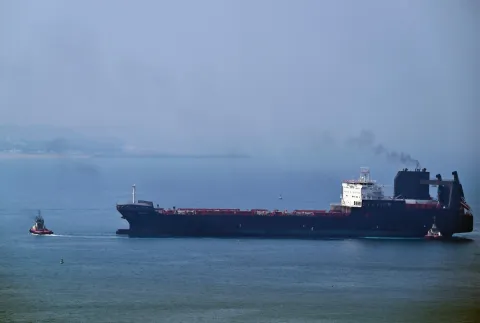
At the same time, maritime tensions involving Iran and the UAE were escalating. Iranian state media reported Monday that Iranian forces had detained a tanker linked to the UAE near Qeshm Island in the Strait of Hormuz, alleging that the vessel had violated Iranian maritime rules.
The reported detention followed a series of confrontations involving commercial shipping in and around the Strait of Hormuz, including UAE accusations that Iranian forces had attacked vessels linked to the Abu Dhabi National Oil Company. The developments have heightened concerns over the security of commercial navigation through the waterway, a critical energy corridor whose disruption could have consequences far beyond the Gulf.
Against this backdrop, the meeting between Sultan Haitham and Sheikh Mohammed carries broader significance beyond bilateral relations. Oman and the UAE are neighboring Gulf states with closely interconnected economic and security interests, while Oman has historically pursued a cautious diplomatic approach and maintained channels with actors across regional political divides.
The leaders’ emphasis on consultation, cooperation and regional security comes as military tensions, threats against Oman and renewed maritime confrontations with Iran are placing additional pressure on Gulf states to protect navigation and prevent the wider conflict from spreading.
The Abu Dhabi meeting therefore highlights the importance of Gulf coordination at a moment of heightened uncertainty, with the future of the Strait of Hormuz, US-Iran negotiations and regional security increasingly intertwined.