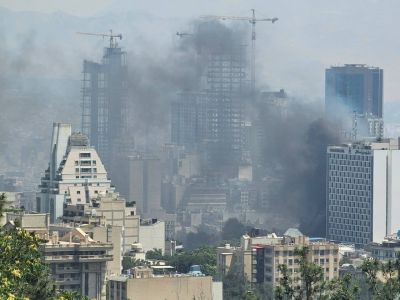

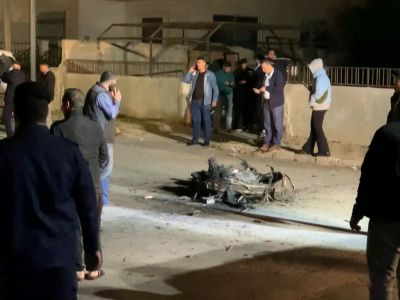


ALBAWABA- Israeli forces targeted multiple locations in the southern suburbs of Beirut, including a residential complex in Hay Maadi and Bourj el-Barajneh, as well as the city of Tyre. No casualties have been confirmed so far.
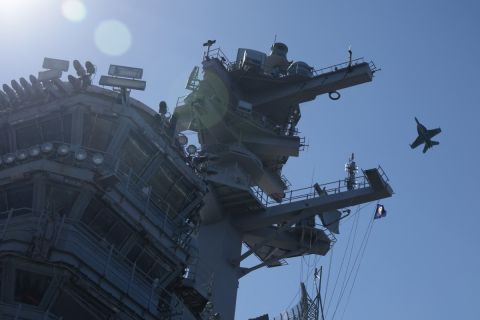
The Israeli Army stated that it has launched strikes on Hezbollah positions across Lebanon, warning that the group’s alignment with Iran will carry consequences for its attacks on Israel.
The Israeli Army announced that it killed Hussein Makled, head of Hezbollah’s intelligence headquarters, in a precision strike in Beirut. This is the second wave of Israeli strikes after last night's massive strikes on Lebanon. Explosions forced residents to flee on foot and by vehicle, clogging roads amid smoke and debris.
Lebanese health authorities reported at least 15 civilians injured, while emergency teams worked to control fires and assess structural damage. The strikes came in retaliation for Hezbollah missile launches into northern Israel, intensifying cross-border hostilities.
Israeli Defense Minister Israel Katz issued a direct warning to Hezbollah Secretary-General Naim Qasim, threatening him with “the same fate as Khamenei,” referencing the February 28 U.S.-Israeli airstrikes that killed Iran’s Supreme Leader Ali Khamenei. Katz described Qasim’s leadership as “temporary,” echoing threats following his 2024 succession after Hassan Nasrallah’s death.
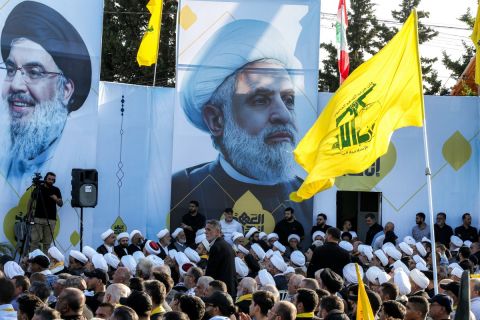
Hezbollah responded defiantly, pledging intensified rocket attacks against Israeli targets and framing the strikes as “Zionist aggression” in solidarity with Iran. The group claimed responsibility for prior assaults on Haifa and signaled readiness for sustained conflict.
The Lebanese government condemned the airstrikes as a “flagrant violation of sovereignty,” appealing for an immediate ceasefire through the UN and urging international intervention to protect civilians.
This escalation occurs amid broader Middle East tensions following Khamenei’s assassination, which triggered Iranian retaliatory strikes across the Gulf and heightened fears of a multi-front war. Hezbollah’s alignment with Iran, coupled with Israel’s potential ground operations, has the potential for a wider regional conflagration that could destabilize Lebanon and neighboring states.