

ALBAWABA- Bulgarian Prime Minister Rosen Zhelyazkov abruptly resigned on Thursday, stepping down just minutes before a scheduled no-confidence vote in parliament, following the massive December 10 protests in which tens of thousands took to the streets of Sofia and other major cities demanding an end to systemic corruption and economic mismanagement.

Zhelyazkov said he was responding to the “voice of the people,” bringing an early end to his center-right GERB-led coalition, which had been in power for less than a year.
His resignation now places responsibility on President Rumen Radev, who publicly backed the demonstrators last week and must begin consultations to form a new government; failure to do so could lead to a caretaker cabinet and snap elections.
🚨🇧🇬 BREAKING: BULGARIAN GOVERNMENT COLLAPSES UNDER MASS PROTESTS: PM STEPS DOWN!
The Bulgarian government has resigned amid raging street protests, with Prime Minister Rosen Zhelezaykov announcing the move at a tense press conference.
Despite likely surviving a 6th… pic.twitter.com/vAFWGrNIZz— Mario Nawfal (@MarioNawfal) December 11, 2025
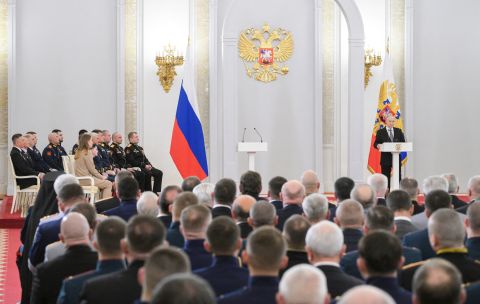
The unrest began in late November over the 2026 draft budget, widely seen as a vehicle for graft due to proposed tax hikes and increased social contributions amid rising inflation and public anxiety ahead of Bulgaria’s planned eurozone entry on January 1, 2026.
The protests echo the 2020 anti-corruption uprising that helped topple Boyko Borissov and pushed the country into prolonged political instability, including seven snap elections.
Public trust in state institutions has sunk to historic lows, further eroded by oligarch influence, particularly that of Delyan Peevski, and stalled EU reforms.