

ALBAWABA- Iraq’s parliament elected Nizar Mohammed Saeed Amidi as president on Saturday, ending a five-month political stalemate following the November 2025 elections.
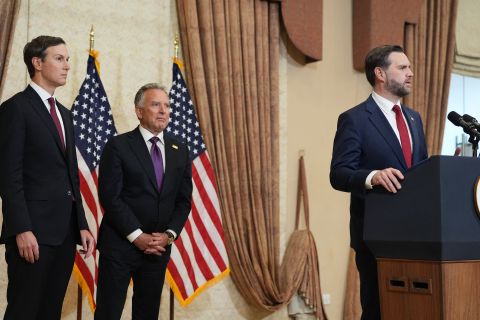
Amidi secured 227 votes in the second round of parliamentary voting, with 249 lawmakers present, defeating his rival Muthanna Amin of the Kurdistan Islamic Union, who received 15 votes. He had previously led the first round with 208 votes but fell short of the two-thirds majority required.
A senior figure in the Patriotic Union of Kurdistan, Amidi was born in 1968 in Dohuk and is a trained mechanical engineer. He has previously served as the environment minister and as an adviser to former presidents Jalal Talabani and Fouad Massoum. He is widely viewed as a consensus-oriented politician with a track record of navigating Iraq’s complex political and sectarian divisions.
His election reinforces the influence of the PUK within Iraq’s Kurdish political landscape, particularly its cooperative approach with Baghdad’s Shia-led governing blocs, in contrast to the more autonomous stance of the rival Kurdistan Democratic Party.
NEW - Kurdish politician, Nizar Amedi, elected and sworn in as Iraq’s new president, ending months of political deadlock following November 2025 parliamentary elections. pic.twitter.com/zxrJ3LKp0F
— Disclose.tv (@disclosetv) April 11, 2026
Amidi succeeds Abdul Latif Rashid, also from the PUK, in the largely ceremonial post. Under Iraq’s power-sharing system, the presidency is reserved for a Kurdish figure, while the prime ministership is held by a Shia Arab and the parliamentary speakership by a Sunni Arab.
Although the presidency holds limited executive authority, it plays a key constitutional role in government formation. The new president is now expected to designate a prime ministerial nominee from the largest parliamentary bloc within 15 days to form a cabinet.
The country remains without a confirmed prime minister. Incumbent Mohammed Shia al-Sudani continues in a caretaker role as Shia political factions remain divided over the next government.


