

ALBAWABA- Iran launched missile strikes on Qatar’s Ras Laffan Industrial City with two ballistic missiles on Wednesday, sharply escalating the three-week conflict and bringing critical Gulf energy infrastructure into direct confrontation.
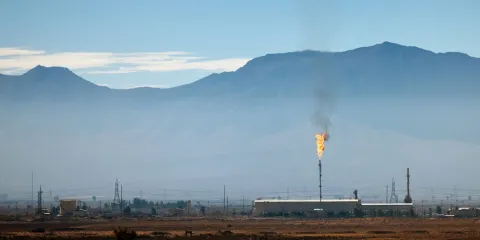
The retaliation followed an Israeli strike earlier the same day on Iran’s South Pars gas field, the world’s largest natural gas reservoir and a shared asset between Iran and Qatar. The attack targeted processing facilities in Asaluyeh, triggering fires and halting significant production.
Prior to the strike, the Islamic Revolutionary Guard Corps had warned that multiple Gulf energy sites linked to U.S.-backed operations would be considered “legitimate targets.” The list included major oil and gas facilities in Saudi Arabia, the UAE, and Qatar.
Iran’s response came hours later, with missiles hitting Ras Laffan, one of the world’s largest liquefied natural gas export hubs. QatarEnergy confirmed severe damage to the northern complex, while Qatari Civil Defence reported ongoing fires caused by the strikes.
Qatar’s Foreign Ministry condemned the attack as a “brutal targeting” of vital infrastructure and warned it posed a direct threat to national and regional security.
In Saudi Arabia, the Defence Ministry said air defenses intercepted four Iranian ballistic missiles bound for Riyadh, with debris falling across scattered areas. A drone targeting a gas facility in the Eastern Province was also shot down.
According to the Saudi Civil Defence, 4 residents were injured and there was limited material damage as a result of shrapnel falling on a residential site in Riyadh.
The latest exchanges mark a dangerous expansion of the conflict into the heart of the Gulf's energy, heightening fears of broader regional involvement and prolonged instability.
Global markets reacted swiftly. Oil and gas prices surged, with Brent crude rising more than 8% in early trading amid concerns over disrupted LNG exports and supply chains. Continued attacks on key Gulf energy hubs could drive prices even higher, strain fuel supplies in Europe and Asia, and trigger widespread economic fallout.