

ALBAWABA- Leaders of the Gulf Cooperation Council convened on Wednesday at Sakhir Palace for the 46th session of the Supreme Council, emphasizing unwavering unity amid regional instability.
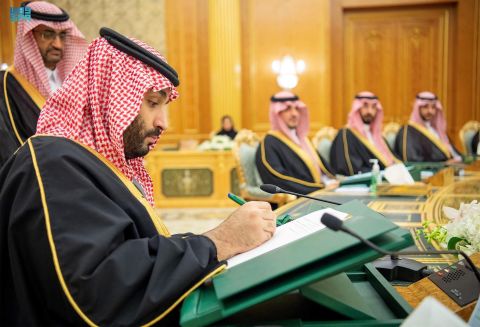
Hosted by Bahrain’s King Hamad bin Isa Al Khalifa and attended by the heads of state of all six GCC members, the summit reaffirmed the bloc’s core principle: “Any infringement on the sovereignty of one Gulf state threatens the security of all,” according to the final communique.
The meeting, described by analysts as a shift from crisis response to long-term strategic planning, approved the Gulf Security Strategy to Combat Money Laundering for 2026, strengthening coordinated defenses against illicit financial flows.
In his opening remarks, King Hamad stressed that Gulf security and prosperity are “indivisible,” calling for deeper integration across political, economic, and defense sectors. He urged unified responses to ongoing crises in Yemen, Lebanon, Syria, and Sudan, and highlighted the lingering Iran–Israel tensions, worsened by an Israeli strike on Qatar in September.
Kuwait’s Emir, Sheikh Mishal Al-Ahmad Al-Jaber Al-Sabah, echoed this message, asserting that “any aggression against one state is aggression against the entire council.”
Key decisions included a commitment to finalize a joint defensive air shield “in the near future,” as announced by GCC Secretary General Jassim Al-Budaiwi.
Leaders also pledged stronger military coordination and enhanced protection of vital waterways such as the Strait of Hormuz. The summit endorsed frameworks for renewed security dialogue with Iran to reduce proxy conflicts and ensure safe international navigation amid repeated attacks on shipping.
On the economic front, the bloc agreed to accelerate projects aimed at achieving full economic unity, among them the Gulf railway, regional electricity grid interconnection, and joint development initiatives to boost non-oil trade and attract foreign investment.
In a notable diplomatic development, Italian Prime Minister Giorgia Meloni attended as a guest of honor, the first European leader to receive such an invitation, signaling a deepening partnership between the EU and the Gulf on energy, security, and technology.
She held talks with Saudi Crown Prince Mohammed bin Salman on strengthening Mediterranean-Gulf cooperation as Europe continues diversifying its energy sources.
The newly adopted anti–money laundering strategy introduces unified regulatory standards, expanded intelligence sharing, and advanced digital monitoring tools aligned with FATF recommendations, aimed at countering terror financing and economic subversion.
The summit also reviewed progress on previous decisions, reaffirmed a unified position on Gaza’s post-war settlement, and adjusted GCC foreign policy to better reflect a shifting multipolar world.