


ALBAWABA- Heavy fighting between Syrian government forces and the Kurdish-led Syrian Democratic Forces (SDF) entered a third consecutive day, in what has become the most serious military escalation since the collapse of the Assad regime in December 2024.
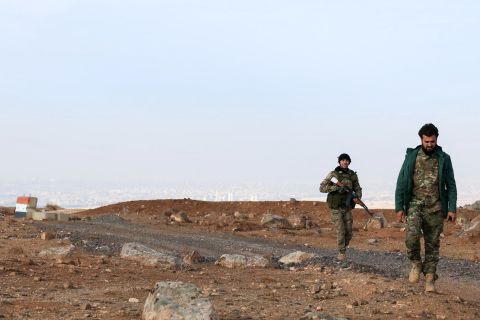
The clashes are concentrated in the neighborhoods of Sheikh Maqsoud and Ashrafieh in northern Aleppo, where artillery shelling, mortar fire, sniper exchanges, and drone strikes have been reported. Syrian army units have pushed into contested areas as part of what Damascus described as “limited security operations.”
According to Syria’s Health Ministry, at least nine civilians were killed, and 55 were wounded in attacks attributed to the SDF. The SDF, however, reported seven civilian deaths and 52 injuries caused by government shelling, underscoring sharply conflicting accounts of responsibility.
Damascus accused the SDF of initiating the violence by targeting residential districts and army positions, rejecting SDF claims that no fighters were present in the neighborhoods.
The government asserted full authority over Aleppo’s security, demanded the SDF’s withdrawal, and declared the areas closed military zones while opening humanitarian corridors for civilian evacuations.
The SDF denied responsibility for civilian casualties, accusing government-aligned forces of using tanks and heavy weapons in what it described as “grave attacks” and imposing a six-month siege on the districts.
SDF media official Farhad Shami warned that continued assaults could expand the conflict beyond Aleppo, placing responsibility squarely on Damascus. While saying it has not yet escalated, the group vowed to resist any attempt to remove it forcibly.
Turkey, which considers the SDF an extension of the Kurdistan Workers’ Party (PKK), condemned the group as “the biggest obstacle to peace in Syria.” Foreign Minister Hakan Fidan said Ankara is prepared to provide military support to Damascus if formally requested.
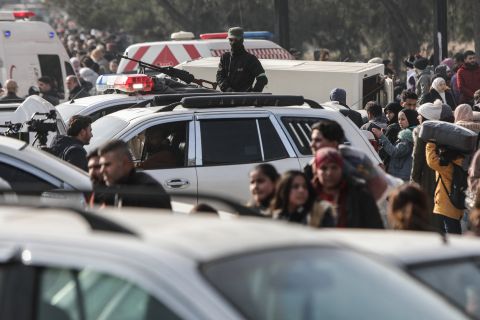
The fighting has triggered a growing humanitarian crisis. Up to 140,000 civilians have been displaced since January 6, with thousands fleeing toward Afrin or seeking shelter in overcrowded facilities.
UN agencies estimate that at least 30,000 people were displaced in the initial wave, reporting damage to hospitals, curfews, and severe restrictions on humanitarian access.
The violence follows the collapse of a March 2025 agreement aimed at integrating SDF forces into the Syrian army, raising fears of wider regional involvement. U.S.-led mediation efforts are ongoing, as international actors urge an immediate de-escalation to prevent the conflict from spreading further.