




ALBAWABA - Senior Israeli military officials have allegedly been increasingly frustrated with the government’s response to recent developments in the region, contending that political authorities have failed to capitalize on what they regard as substantial military achievements made on several fronts.
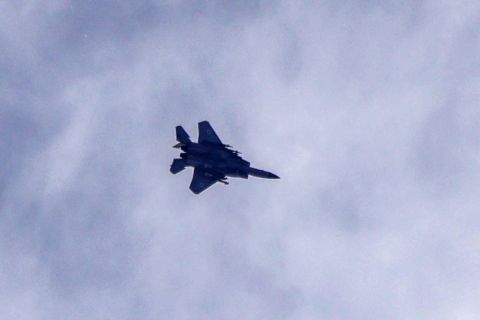
Israeli media claims that elements of the defense establishment are growing skeptical of the government’s handling of the impending U.S.-Iran accord, with political leadership said to be tardy in turning military wins into diplomatic achievements.
Security sources cited in the publications voiced alarm over Israel’s reliance on U.S. President Donald Trump to manage critical regional problems including those concerning Iran and Lebanon. Officials have warned in the past that relying too much on one political figure was risky, especially in a changing regional landscape.
Sources in the defense establishment also questioned the government’s handling of talks with Lebanon, saying senior political figures have not been sufficiently involved in the diplomatic process.
Some officials were dissatisfied that top Israeli authorities did not take a more active part in conversations with Beirut, leaving negotiations mostly to lower-level delegates despite the strategic importance of the talks, the reports said.
Security officials say this undermined Israel’s diplomatic position and allowed other regional entities to have more influence over issues related to Lebanon.
Israeli defense authorities highlighted a succession of military activities in Gaza, Lebanon, Syria, Yemen, Iran and the West Bank, claiming such operations had provided the opportunity for wider political successes that have not yet been achieved.
Sources said they caused what they called major damage to Hezbollah’s military infrastructure and increased economic pressure on the group, especially after losing territory in sections of southern Lebanon.
But despite those advancements, officials are said to believe that the administration has failed to translate battlefield gains into real diplomatic progress.
The criticism comes amid a wider discussion in Israel over how to respond to shifting regional dynamics in the wake of the U.S.-Iran deal.
With political leaders still deliberating the fallout of the nascent agreement, some military officials contend that Israel must be more assertive in order to reach diplomatic agreements with Lebanon and influence the post-conflict scene before regional forces shift much more.
"The conditions might now be ripe to move forward on an agreement with Beirut," officials cited in the papers said, adding however that possibilities could be wasted if there was not better political leadership and a more defined strategic vision.
The tensions cited are a manifestation of an increasing rift between Israel’s military establishment and political leadership as the area enters a new era driven by diplomacy, changing alliances and the aftermath of the Iran agreement.