



ALBAWABA- U.S. President Donald Trump has reportedly offered extensive military support, including air cover, to Kurdish groups in exchange for their participation in efforts to destabilize Iran’s leadership, according to a report by The Washington Post.
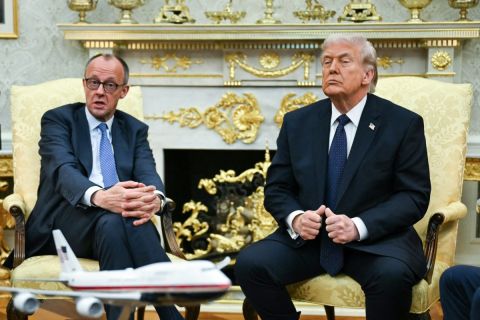
The report said Trump held phone calls this week with Kurdish leaders in both Iran and Iraq, presenting the plan as a “wonderful opportunity” for Kurds to secure autonomy in western Iran. In return, Washington would provide air protection and logistical assistance to support potential ground operations against Tehran.
U.S. officials cited in the report said the initiative was originally proposed by Israel, which sought to mobilize Kurdish forces as part of broader efforts against Iran. Washington reportedly agreed to provide military backing, a move that could heighten tensions with Turkey, a NATO member that strongly opposes Kurdish separatist movements.
Kurdish leaders swiftly rejected the claims. The Kurdistan Democratic Party (KDP), which governs the Kurdistan Region of Iraq, dismissed the reports as “untrue,” stressing that the region has no role in military actions against Iran.
Kurdistan Region President Nechirvan Barzani reiterated that the Kurdish leadership would avoid involvement in the conflict, emphasizing a commitment to stability and diplomatic efforts to prevent further escalation.
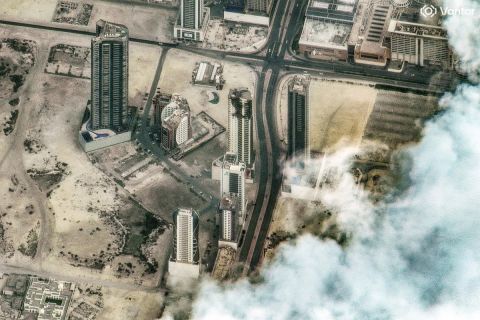
The reported proposal comes as the U.S.–Israeli military campaign against Iran intensifies following the February 28 airstrikes that killed Supreme Leader Ali Khamenei and several senior officials. The strikes targeted Iran’s nuclear and military infrastructure and were widely seen as part of a broader push for regime change.
Iran has since launched retaliatory attacks against Gulf energy facilities and U.S. assets across the region, disrupting global energy supplies and pushing oil prices sharply higher.
Meanwhile, Turkey has warned it is closely monitoring Kurdish militant groups such as PJAK, which Ankara links to the PKK, an organization designated as a terrorist by Turkey. Any effort to arm Kurdish forces against Iran could risk drawing Turkey into the crisis and further complicating regional and NATO dynamics.


