


ALBAWABA- U.S. President Donald Trump escalated rhetoric over the ongoing conflict with Iran on Tuesday, declaring that the U.S.-led military campaign is “nearing its conclusion” while warning of intensified strikes and sharply criticizing key European allies.
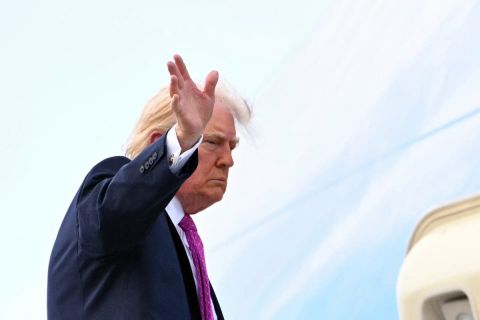
Speaking as operations continue to target Iranian military infrastructure, Trump claimed significant progress, stating that “the war in Iran will end soon.” He emphasized that Washington would ultimately determine the fate of Tehran’s enriched uranium stockpile, central to its nuclear program, adding that the United States has already succeeded in preventing Iran from acquiring nuclear weapons.
Despite projecting confidence, Trump acknowledged that challenges remain. “We still have more work to do to eliminate Iran’s military capabilities,” he said, warning that “very harsh strikes” remain an option if Tehran does not comply with demands to reopen the Strait of Hormuz.
The president highlighted difficulties in securing Iran’s enriched uranium, noting that key reserves are buried deep underground and remain difficult to access, particularly at heavily fortified sites such as Isfahan.
Tensions have been further exacerbated by Iran’s continued blockade of the Strait of Hormuz, a vital chokepoint for global oil shipments. The disruption has pushed U.S. gasoline prices above $4 per gallon and strained energy supplies across Europe.
Donald J. Trump Truth Social Post 07:11 AM EST 03.31.26 pic.twitter.com/SjrMaNrC0h
— Commentary Donald J. Trump Posts From Truth Social (@TrumpDailyPosts) March 31, 2026
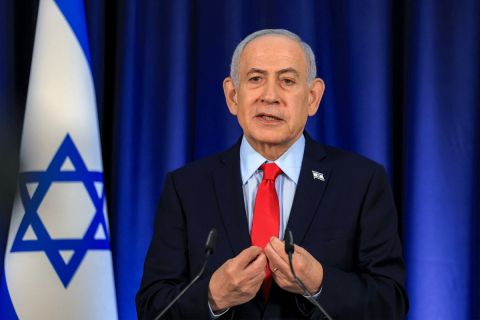
In a pointed appeal, Trump urged countries affected by the blockade, specifically the United Kingdom, to take direct action. In a post on Truth Social, he called on them to “build up some delayed courage” and seize control of the waterway, warning that the United States “won’t be there to help you anymore” if they fail to act.
Trump also directed criticism at France, accusing it of denying overflight rights to U.S. military aircraft transporting supplies to Israel. He described the move as “very unhelpful,” reflecting what he framed as broader European reluctance to support the campaign.
The combination of near-victory claims and public attacks on allies has added volatility to coalition coordination at a critical stage of the conflict. While U.S. officials point to progress in indirect contacts with Tehran, Trump’s statements highlight growing impatience over the economic impact of the strait’s closure and the complexities of sustaining allied support.


