




ALBAWABA- Russia's growing fuel shortage has intensified following a Ukrainian drone strike on a major oil refinery in Moscow, adding pressure to the country's energy infrastructure and domestic fuel supplies.
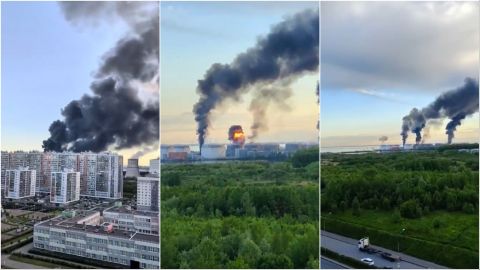
On June 16, Ukrainian drones targeted several locations in and around Moscow, striking the Kapotnya Oil Refinery, a key facility operated by Gazprom Neft in southeastern Moscow, approximately 15 kilometers from the Kremlin.
Russian authorities said a fire broke out at the refinery after the attack, damaging a primary refining unit responsible for more than half of the facility's processing capacity. Operations were temporarily halted, although Moscow Mayor Sergei Sobyanin reported no casualties.
The Kapotnya refinery has an annual processing capacity of between 11 and 12.8 million tons, or approximately 245,000 to 250,000 barrels per day. It supplies an estimated 35% to 40% of fuel consumed in the Moscow region and meets a substantial share of gasoline and diesel demand in the capital and surrounding areas, including major airports.
The attack comes as Ukraine intensifies its long-range drone campaign targeting Russian energy infrastructure. Since early 2026, Kyiv has significantly expanded strikes aimed at disrupting Russia's military logistics and reducing energy revenues that support its war effort.
According to industry assessments, repeated attacks have forced the full or partial shutdown of numerous facilities, temporarily idling more than 30% of Russia's primary refining capacity and reducing output to multi-year lows.
Ukrainian President Volodymyr Zelensky described the latest strike as a "just response" to Russian attacks, highlighting Ukraine's ability to reach targets hundreds of kilometers inside Russian territory.
The disruption has compounded existing supply pressures caused by increased seasonal demand for gasoline, diesel, and jet fuel during the summer travel season and agricultural harvesting period.
Russia, traditionally one of the world's largest fuel exporters, has introduced export restrictions and increased fuel purchases from Belarus in an effort to stabilize domestic supplies. Reports from several Russian regions have described long queues at petrol stations, localized shortages, and temporary rationing measures.
The latest attack has also prompted Russia to prepare gasoline imports by sea from Asia for the first time in years, with a small shipment reportedly expected to arrive through a western Russian port.


