

ALBAWABA - Iran has warned Israel that ongoing military activity in Lebanon may spark a “harsh response” as tensions rise just days after diplomatic momentum appeared to be building behind a planned US-Iran deal to end months of regional turmoil.
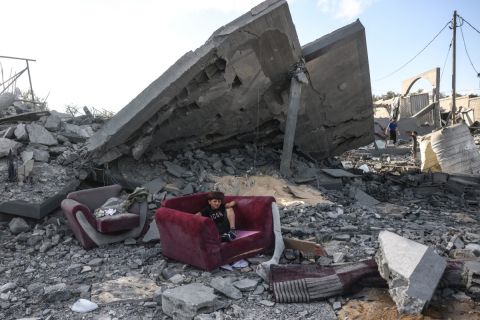
Senior Iranian officials gave the warning, accusing Israel of trying to sabotage ongoing diplomatic attempts by continuing to strike sites in Lebanon. Tehran said it remained committed to the negotiating track but warned it would not stand idly by should Israeli military moves escalate or the presence of Israeli forces threaten its regional allies.
The latest threat comes amid a series of Israeli strikes on the southern suburbs of Beirut and other places connected to Hezbollah. Iranian officials said the bombings threaten to destabilize the area at a sensitive time, especially as discussions between Washington and Tehran enter what both sides have called a key phase.
Iranian Foreign Minister Abbas Araghchi recently informed members of the Parliament's National Security and Foreign Policy Committee on the latest diplomatic developments including the proposed framework deal with the United States. Lawmakers reaffirmed their support for the diplomatic process but stressed that Iran's national interests must be safeguarded during the talks, the Foreign Ministry added.
In parallel, Araghchi had talks with Oman’s Foreign Minister Badr Albusaidi. Oman plays a crucial role in mediating between Tehran and Washington. The two leaders reiterated their commitment to coordination and dialogue to maintain regional stability and prevent a return to wider conflict.
The warning from Tehran is coming at a time of mounting signals of disagreement between Washington and Tel Aviv over the future course of the region. Recently, U.S. President Donald Trump publicly lambasted Israeli Prime Minister Benjamin Netanyahu, claiming Israeli activities in Lebanon nearly undermined efforts to reach a deal with Iran.
Those tensions have also led to debate inside Israel. Israeli media report that senior military officers are growing upset with the government’s handling of regional affairs, feeling that recent military wins against Hezbollah have not been transferred to any substantial political or diplomatic achievements.
Iranian authorities, meanwhile, continue to emphasize that diplomacy does not preclude the potential of reprisal for continued attacks. Senior officials in Tehran have cautioned that any further escalation in Lebanon could push Iran and its allies to reconsider their current moderation.
As negotiations enter their next phase, regional players are looking attentively to see if diplomacy can withstand increasing military pressure. At the moment, Tehran seems keen to maintain the lines of diplomacy open, while also warning it will be ready to respond if developments on the ground take a different course.