


ALBAWABA- Donald Trump has urged several Arab and Muslim-majority leaders to normalize relations with Israel as part of a broader regional settlement linked to efforts to end the conflict with Iran, according to U.S. officials.
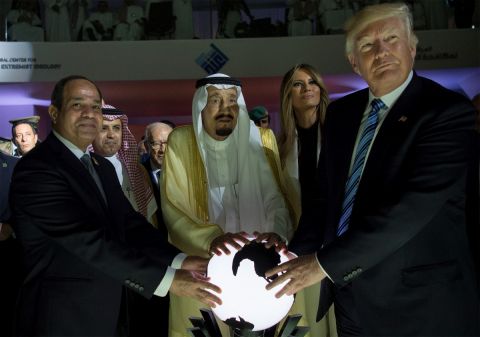
During a high-level conference call on Saturday, Trump reportedly spoke with leaders including Saudi Arabia, Qatar, the United Arab Emirates, Pakistan, Turkey, Egypt, Jordan, and Bahrain.
While discussions primarily focused on an emerging framework to de-escalate tensions with Iran, covering issues such as reopening the Strait of Hormuz and potential sanctions relief, Trump also pressed non-signatories of the Abraham Accords to move toward formal peace with Israel once the Iran-related agreement is finalized.
The proposal reportedly drew a muted response from several participants, including Saudi Crown Prince Mohammed bin Salman, Qatari leadership, and Pakistan’s prime minister, with sources describing a brief silence on the call before Trump joked about checking whether participants were still connected.
The initiative reflects Trump’s broader strategy of linking Iran de-escalation efforts to an expanded regional normalization agenda, building on the 2020 Abraham Accords, which established diplomatic ties between Israel and the United Arab Emirates, Bahrain, Morocco, and Sudan. The approach seeks to reshape regional alignments through security cooperation and economic integration, despite longstanding political sensitivities surrounding the Palestinian issue.
The proposal drew strong public backing from U.S. Senator Lindsey Graham, who called the potential expansion “beyond transformative for the region and world” and praised it as a “brilliant move” by Trump.
Graham warned that refusal by key states such as Saudi Arabia, Qatar, and Pakistan could carry “severe repercussions for future relations” and undermine the viability of the broader peace effort, urging leaders to support what he described as a historic opportunity for regional realignment.
While supporters argue that expanding the Abraham Accords could mark a major geopolitical breakthrough, critics caution that tying normalization to Iran-related negotiations risks deepening regional divisions and sidelining unresolved Palestinian statehood concerns.
The outcome of the proposed linkage is expected to play a central role in determining whether the initiative achieves broad regional acceptance or faces sustained resistance.


