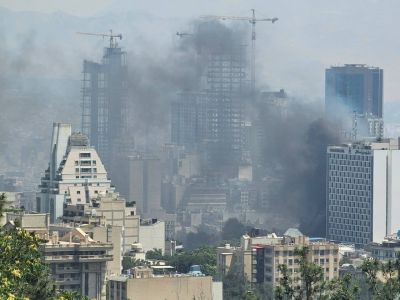

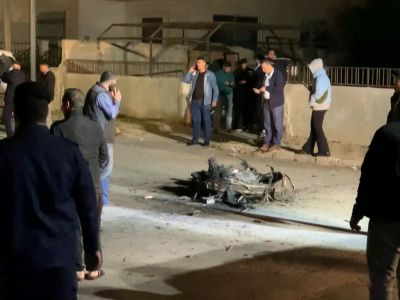


ALBAWABA- Joint U.S. and Israeli airstrikes have killed Iran’s Supreme Leader, Ali Khamenei, along with dozens of senior political and military figures, in what officials described as one of the most consequential attacks on Iran’s leadership in decades.
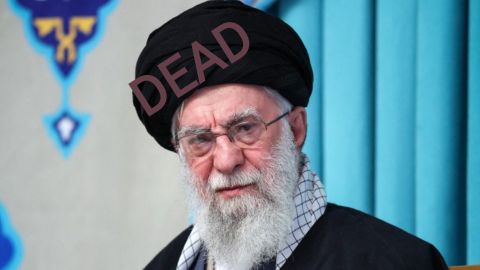
The strikes targeted high-security leadership compounds in Tehran early Saturday, with satellite imagery showing extensive structural damage and heavy smoke rising from the area. Iranian state media confirmed Khamenei’s death hours later and declared 40 days of national mourning.
Among those reported killed were Defense Minister Aziz Nasirzadeh; Chief of the General Staff Abdul Rahim Mousavi; IRGC Commander Mohammad Pakpour; senior adviser Ali Shamkhani; and other top military and political officials. Iranian outlets said roughly 40 senior figures died in the coordinated assault.
U.S. President Donald Trump described the operation as part of a broader push aimed at reshaping Iran’s leadership, saying strikes would continue “uninterrupted throughout the week.” Israeli Prime Minister Benjamin Netanyahu said the campaign targeted the “entire Iranian leadership, political and military.”
Foreign Ministry spokesman Esmaeil Baqaei condemned the strikes as a “gross violation” of Iran’s sovereignty and accused Washington and Tel Aviv of committing war crimes—allegations both countries denied.
Large crowds gathered in Tehran and other cities, chanting against the United States and Israel and calling for immediate retaliation. State media urged unity in the face of what it described as “Zionist-American aggression.”
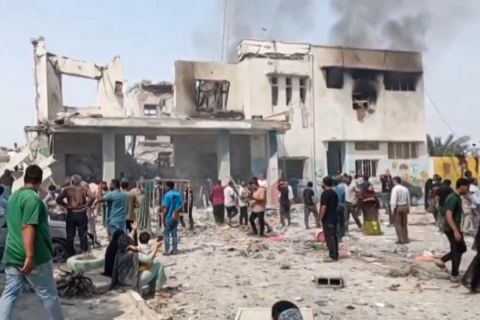
Within hours, Iran launched hundreds of ballistic missiles and drones targeting U.S. bases in Iraq and the Gulf, as well as Israeli and allied sites. Iranian sources claimed strikes hit facilities in Erbil and Al Asad in Iraq and targeted Israeli airbases and Gulf energy infrastructure. The Pentagon said several projectiles were intercepted and reported no immediate American casualties, while Israel said its air defense systems neutralized incoming threats.
The escalation follows stalled U.S.–Iran nuclear negotiations in Geneva and rising regional tensions amid increased U.S. deployments and Israeli warnings over Tehran’s nuclear program.
The United Nations Security Council has convened an emergency session as diplomats scramble to prevent a broader regional war. The assassination of Iran’s top leadership could trigger sustained retaliation, destabilize the Gulf, and disrupt global energy markets.