
Global Health Institute at AUB Engages with Stakeholders to Discuss Irregular Migration and Its Drivers among Lebanese and the Displaced in Lebanon
Press release

The Global Health Institute (GHI) at the American University of Beirut (AUB) convened a closed roundtable discussion, to examine the drivers of irregular migration in Lebanon, with a particular focus on the role of social determinants of health. The discussion is part of an ongoing research study led by the Refugee and Migrant Health Program at GHI and funded by the UK Foreign, Commonwealth, and Development Office (FCDO) through the International Organization for Migration (IOM).
The meeting opened with remarks by Dr. Shadi Saleh, founding director of the AUB GHI. Dr. Saleh welcomed the participating stakeholders and expressed appreciation for the strong partnership with IOM Lebanon in advancing this important work. He emphasized the importance of engaging diverse stakeholders and gathering their insights, noting that feedback from practitioners and institutions working directly in the field is essential to complement the study’s findings with practical experience and grounded observations.
Lidya Bou Teen, data analysis and reporting associate at IOM Lebanon, underscored the importance of the partnership between IOM and AUB GHI, and highlighted how collaboration with an academic institution strengthens the rigor and credibility of the evidence being generated, ensuring that findings are grounded in robust research methodologies and informed analysis.
Nour El Arnaout, associate director at GHI, welcomed the attendees and presented the study’s preliminary findings. Conducted in Akkar and Tripoli, the research examined migration-related decision-making among Lebanese and displaced communities, focusing on living conditions, access to healthcare and mental health services, perceptions of well-being, and broader socio-economic vulnerabilities. El Arnaout emphasized the importance of stakeholder engagement in validating and contextualizing the findings.
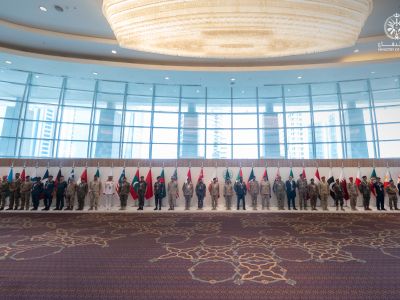
The roundtable brought together representatives from the Lebanese Army, the General Security, international and local nongovernmental organizations, and academia, all of whom are heavily involved in the field of migration. Their diverse expertise and field-based insights contributed to a rich discussion on emerging trends, gaps, and policy considerations that enrich and complement the findings of the study.

© 2000 - 2026 Al Bawaba (www.albawaba.com)
Background Information
American University of Beirut
Founded in 1866, the American University of Beirut is a teaching-centered research university based on the American liberal arts model of higher education. AUB has over 9,000 students and over 1,200 instructional faculty members. The University encourages freedom of thought and expression and seeks to graduate men and women committed to creative and critical thinking, lifelong learning, personal integrity, civic responsibility, and leadership.
Check out our PR service
Subscribe
Sign up to our newsletter for exclusive updates and enhanced content