


ALBAWABA- Global oil markets surged on March 1, 2026, as Brent crude futures jumped 15% to $84.95 per barrel and West Texas Intermediate (WTI) climbed 14.8% to $81.20, marking the largest single-day gains since the 2022 Ukraine crisis.
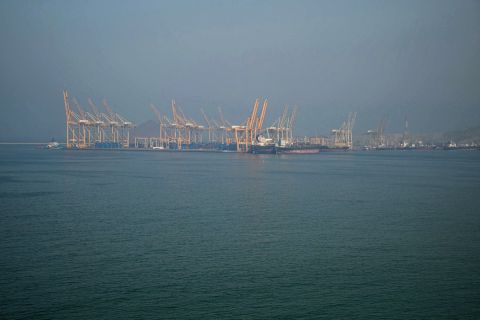
The spike comes amid escalating U.S.-Israel-Iran hostilities and fears of supply disruptions through the Strait of Hormuz, a critical chokepoint handling roughly 20% of global oil flows.
Traders cited Iran’s retaliatory missile and drone strikes across the UAE, Bahrain, Saudi Arabia, Qatar, Kuwait, and Oman, along with an attack on a Palau-flagged tanker near Musandam, as key triggers.
These actions followed joint U.S.-Israeli airstrikes on Saturday that killed Supreme Leader Ayatollah Ali Khamenei and more than 40 senior Iranian officials, prompting Tehran to launch “Operation True Promise 4” against regional targets.
While Gulf nations intercepted most projectiles and confirmed injuries and infrastructure damage, combined with Oman's condemnation of sovereignty violations, heightened fears of supply interruptions.
The International Energy Agency (IEA) announced it is closely monitoring developments, warning that any further military escalation could cause sharp fluctuations in crude prices. The agency highlighted that Iran’s strikes, following the U.S. and Israeli operations in Tehran, raise concerns about regional unrest threatening global oil market stability.
In response to the crisis, Barclays Bank raised its forecast for Brent crude futures to around $100 per barrel, up from $80, citing the risk of supply disruptions amid deteriorating security in the Middle East. Sustained tensions could keep prices elevated above $90, adding $0.50–$1.00 per gallon to U.S. gasoline and pressuring global economies.
The market impact was immediate. S&P 500 futures dropped 2.3%, Asian indices fell 1.5%–3%, and airlines and logistics firms face rising fuel costs. Safe-haven assets such as gold and the U.S. dollar strengthened, while emerging markets, particularly oil importers like India and China, brace for widening trade deficits and slower growth.