

ALBAWABA- Iranian Parliament Speaker Mohammad Bagher Ghalibaf said Wednesday that Iran is engaged in an "existential war" with the United States, accusing Washington of seeking to overthrow the Islamic Republic and divide the country, while calling for a combination of military preparedness and pragmatic diplomacy.
In a public address, Ghalibaf said, “We are waging an existential war with America aimed at toppling our regime and partitioning our country,” adding that Iran must “prepare for war while using diplomacy.” He stressed that Tehran’s approach to both conflict and negotiations should remain “realistic and long-term,” arguing that diplomacy should be used to advance Iran’s national interests.
Ghalibaf also said that any agreements or understandings with other parties must be based on mutual benefit, stating, “If Iran does not benefit from the memorandum of understanding, there is no obligation to it.” His remarks reflected Tehran’s position that diplomatic commitments remain conditional on reciprocal implementation by other sides.
The statement comes amid the sharpest direct military confrontation between the United States and Iran in years. Iranian leaders have repeatedly accused Washington of pursuing regime change and attempting to weaken the country, a narrative that has been central to Tehran’s justification for strengthening military readiness and maintaining a hardline stance toward the United States.
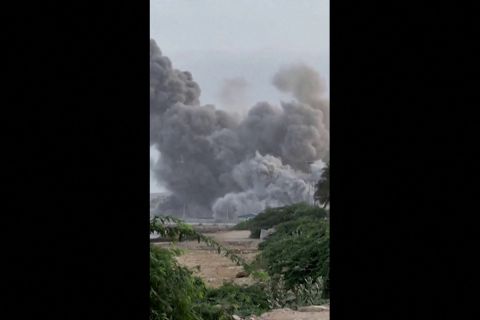
Ghalibaf’s comments followed intensified U.S. military operations against Iran, including reported strikes on Qeshm Island, Kish Island, and Hengam Island in southern Iran. Iranian health authorities said the attacks have killed at least 35 people and injured more than 300 others.
U.S. President Donald Trump has escalated pressure on Tehran, warning of further military action and notifying Congress of plans to expand operations. Washington has also announced measures targeting maritime activity in the Strait of Hormuz, including plans for a stronger U.S. role in securing the strategic waterway and imposing additional costs on vessels passing through it.
Iran has responded with threats of retaliation and has warned that it will take broader measures if U.S. attacks continue. Iranian officials, including Foreign Ministry spokesperson Esmail Baghaei, have said Tehran will only honor international commitments if other parties fulfill their obligations.
The escalating confrontation has raised concerns over the security of the Strait of Hormuz, one of the world’s most important energy routes, and increased fears of a wider regional conflict involving Iran-aligned groups and actors across Iraq, Lebanon, and Yemen.